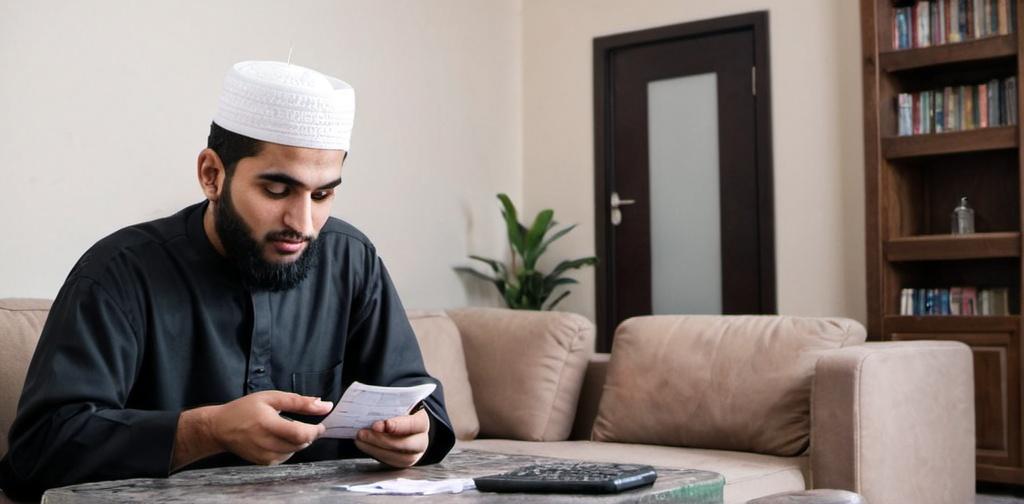
Yes—a Muslim can be a full-time trader. The more honest answer is: they can, but it comes with conditions, planning, and a willingness to check their work often. Trading full-time isn’t just “time on charts.” It’s income risk, mental load, daily discipline, and (for Muslims) making sure the way you earn money doesn’t clash with Islamic rules.
This article lays out what “full-time trader” really means, what Islamic considerations usually matter, and how people typically handle the practical side—without pretending there’s one perfect checkbox system.
What “full-time trader” means in real life
Most people picture full-time trading as staring at price action from morning to night. In practice, it looks more like this:
- You review markets daily (sometimes multiple markets).
- You run your plan: entries, exits, and risk limits.
- You manage positions, rollovers, and account-level details.
- You do paperwork: records, taxes, broker statements.
- You handle emotions when the week is ugly.
There’s also a less glamorous part: building a strategy you can stick to when you’re tired, busy, or confident in the wrong way. Full-time work amplifies mistakes because the financial pressure and the time pressure both increase.
So the religious question isn’t “can you trade as a Muslim?” It’s “can you make trading your income in a way that matches your obligations, your risk tolerance, and your Islamic principles?”
Islamic principles that usually affect trading
Different scholars may weigh details differently, but most conversations about trading fall into a few recurring themes: interest (riba), gambling-like uncertainty (maysir), excessive uncertainty (gharar), and the permissibility of the underlying asset.
1) Riba (interest) and what it looks like in trading
In trading, “interest” shows up in a few ways, depending on the instrument:
- Swap/rollover charges on positions held overnight (common in many FX and some CFD products).
- Interest-bearing accounts where the broker pays or charges interest on balances.
- Margin mechanics that behave like financing with interest-like fees.
For many Muslim traders, if the product requires paying swap/interest to hold trades, that’s a red flag. Some people switch to spot trading or specific Shariah-compliant brokers/accounts. Others fund accounts through arrangements that avoid interest. The exact ruling depends on what the contract actually does—not just the broker’s marketing.
2) Gharar (excessive uncertainty)
Islamic finance tends to dislike contracts with major uncertainty. In trading, uncertainty can be part of risk management, but excessive uncertainty can be a sign the transaction isn’t like a real sale or real underlying exposure.
For example, if you’re trading a product that doesn’t reflect ownership (or a real contract structure), some scholars treat it as having problematic gharar. This is one reason some Muslims prefer spot trading of tangible assets or Shariah-screened instruments.
3) Maysir (gambling-like behavior)
Maysir is the “this feels like betting” category. Trading isn’t automatically maysir—many people trade with analysis and consistent methods. But if someone’s approach is basically coin-flip entries, chasing randomness, and scaling risk like it’s a casino session, scholars may view it as gambling behavior.
So your trading style matters: do you have a plan, do you follow risk limits, do you avoid bet-sizing that resembles reckless wagering?
4) Haram sectors and the underlying asset
Even if the contract is structured cleanly, the underlying business can be an issue. Many Muslims avoid exposure to companies tied to haram industries like alcohol, gambling, adult entertainment, and certain financial activities.
In practice, traders either:
- Trade assets that pass screening criteria,
- Use portfolios or indices with Shariah filters, or
- Request clarification on how the instrument is classified.
Can you be full-time and still meet your religious duties?
Time is the first practical question. Islam doesn’t ask you to trade less because you’re Muslim; it asks you to handle obligations first.
During the day, traders can usually manage prayers if they plan for schedule. The harder part is market timing and volatility. Some markets move hard during prayer times, news releases, or global session overlaps.
If your trading plan regularly conflicts with prayer, that’s a sign you need to restructure. Full-time trading gives you freedom, but it also removes the normal “work breaks” that people use to reset their day.
A workable setup often looks like this: you choose instruments/timeframes that don’t force you to be glued to the screen at every prayer time, or you create rules that automatically pause trading around fixed religious duties.
Are all trading types the same for a Muslim?
No. A trader’s product choice can change the Shariah conversation dramatically.
Spot trading (often preferred)
Spot trading—where you exchange at the current price for immediate ownership/exposure—often fits better with common Islamic finance preferences. Many Muslim traders focus on spot markets because the contract is simpler and less likely to involve swap/interest mechanics.
That doesn’t mean “spot is always halal.” It means the contract structure can be easier to justify.
Derivatives (higher scrutiny)
Options, futures, and CFDs are where many scholars become more cautious. Even when people trade them with skill, the contract can involve features that look closer to betting or contain more uncertainty.
For example, leverage and expiration can change the moral math for some scholars. Some will permit certain derivatives under specific conditions; others won’t.
If your plan depends on a derivative contract daily, you should do more than read one blog post. Ask a qualified scholar about the exact contract type, not the marketing copy.
Forex and swaps
Forex is a common entry point for retail traders. It also commonly involves overnight swap charges on many platforms. If you frequently hold positions, you may be paying interest-like costs.
Some brokers claim Shariah-compliant swap-free accounts, but the real question is how the account avoids riba and whether the alternative mechanism is approved by responsible scholars. Always verify the mechanism, not just the sticker.
Full-time trading: the practical Islamic risk checklist
If you want a quick way to assess whether full-time trading makes sense for you, think in categories: contract, income purity, time discipline, and personal behavior.
Contract checklist
- Does your instrument involve overnight swap/interest charges?
- Is the underlying asset/business permissible under Shariah screening rules?
- Is the contract structure closer to ownership/sale or closer to betting on outcomes?
- Do you pay or receive fees that behave like interest?
Income purity checklist
- Are you comfortable tracking income sources clearly?
- If your broker credits anything “extra,” can you identify it and handle it according to your scholar’s guidance?
- Do you have a plan for zakat calculations based on your holdings and timing?
Time and behavior checklist
- Can you protect prayer times and any required fasting periods?
- Do you have rules that stop you from revenge trading?
- Do you keep your trading hours controlled so family life doesn’t get bullied by the charts?
Trading is a long-term job. If you don’t build religious discipline into your system from day one, you’ll feel it later—usually right when you’re stressed, busy, and tempted to “skip one small rule.” Humans are good at that. We’re also bad at admitting it.
Choosing a trading style that fits a Muslim full-time schedule
Full-time trading can work with many strategies, but not all strategies behave well with a life that includes prayer, family duties, and health.
Lower-urgency timeframes often help
Many full-time traders do better when their strategy doesn’t require constant monitoring. If you trade very short timeframes with tight spreads and frequent decisions, you’ll likely end up trading during times you’d rather not.
Strategies with fewer, more deliberate decisions—like swing trading or position trading—can make it easier to structure the day around religious obligations and recovery time.
Automation can protect discipline (within reason)
Automation—alerts, trade plans, and execution rules—can reduce the “panic clicks” that happen when you’re emotional. If your automated rules also keep you within religious constraints (no prohibited instruments, no interest-based mechanics), you’re better off than relying on willpower alone.
But don’t outsource your responsibility. If your bot is basically turning your account into a slot machine, that’s not a plan; that’s a hobby with consequences.
Zakat and taxes: do not skip the boring parts
One reason full-time trading feels harder than people expect is that it creates ongoing accounting demands. Islamic obligations like zakat can be manageable, but only if you track your finances and holdings properly.
Zakat basics for traders
Zakat rulings vary by scholar, and the details depend on how you classify your assets (trading inventory vs investments vs cash holdings). Many traders handle it by:
- Keeping records of account balances and asset values at zakat timing,
- Tracking whether funds are treated as business assets for zakat purposes,
- Consulting a scholar for the correct classification and calculation method.
Even if your zakat approach is “simple,” you still need records. Without them, you’ll either delay or guess. Guessing is fine for weather forecasts; it’s not great for religious duties.
Taxes depend on your country
Taxes are not a Shariah topic, but they absolutely affect whether you can be full-time. If you can’t handle the paperwork, you’ll feel trapped. Plan for account statements, trade logs, and local tax rules.
Many Muslim traders build a habit: keep a trade journal and export data regularly. It also helps you evaluate whether your strategy is improving or just surviving by luck.
Common misunderstandings Muslims have about full-time trading
“If I’m Muslim, any trading is fine”
Religion is not a blanket permission slip. Islamic rulings focus on the contract and the source of profit. Two traders can both “trade successfully,” but one is using a contract structure that scholars deem permissible and the other isn’t.
“If I avoid haram stocks, I’m safe”
A business screen helps, but contract structure still matters. You can avoid haram industries and still trade an instrument with riba-like mechanics. The money’s origin and the transaction’s nature both matter.
“I can’t trade full-time because it’s too risky”
Risk is part of trading, and Islam doesn’t ban risk as such. The issue is reckless gambling behavior and unbounded uncertainty. The better question is whether you’re managing risk in a disciplined, plan-based way.
A lot of full-time traders fail not because they don’t understand charts, but because they don’t size positions correctly and then treat losses like personal insults.
How Muslims typically structure a safe path to going full-time
Turning trading into a full-time income is a financial decision before it’s a religious one. Most successful people treat it as a staged transition.
Stage 1: verify contract and product first
Before you scale, lock down your instrument approvals. If your religious review changes later, changing brokers or products can disrupt your methods and records. So handle the “halal mechanics” early.
Stage 2: test your strategy with realistic constraints
Include real trading frictions: spreads, slippage, commission, and execution quality. Also include time constraints: can you follow your plan without trading during prayer times or during family obligations? If the strategy only works when you break your own rules, it’s not a strategy; it’s a wish.
Stage 3: build a runway like a grown-up
Don’t go full-time just because you hit a few winning weeks. Create a runway that covers baseline expenses while you stabilize. Full-time trading with no runway is how people end up do-or-die traders. That style tends to create bad decisions—religious or not.
Stage 4: set risk limits that don’t depend on mood
Define max daily loss, weekly loss, and position sizing rules. Then follow them even when you feel “on a roll” or “due for a win.” Those emotions are the trap door.
Real-world use cases (the human version)
To make this less abstract, here are three common patterns you’ll see among Muslim traders who go full-time—or try to.
Case A: Spot trader with a prayer-aware schedule
A trader focuses on spot markets and uses swing setups. Their plan only triggers a few times per day, and they set alerts rather than constant monitoring. They stop placing new trades before fixed prayer windows and do post-prayer review. Their biggest challenge isn’t religious rules; it’s consistency and staying calm during drawdowns.
Case B: Derivatives trader who seeks scholar guidance
Another trader wants derivatives because it matches their strategy. They consult a scholar about the specific instrument structure and broker contract terms. They also track fees and any rollover mechanics carefully. Their biggest risk is not market volatility; it’s getting the religious classification wrong or relying on vague “halal” claims from marketing.
Case C: Full-time trader who uses trading income but keeps a strict charity/zakat routine
Some traders go full-time and treat religious duties as part of the job. They maintain records for zakat, verify income sources, and keep a predictable routine for accounting. Their advantage is psychological: they don’t feel like their money is “dirty,” so they can focus on process instead of guilt cycles.
So… can a Muslim be a full-time trader? The practical answer
Yes. A Muslim can be a full-time trader if:
- The trading contracts and instruments align with Islamic rules as judged by qualified guidance.
- The trader avoids riba-like mechanics such as interest/swaps where applicable.
- The trader avoids gharar/maysir patterns—meaning they trade with real process, not betting behavior.
- The trader can maintain religious duties (prayer, fasting, zakat accounting) without constant compromise.
- The trader manages financial and emotional risk in a disciplined way.
If you’re thinking about going full-time, the smartest approach is to treat it like risk management plus religious compliance, not like a faith test. Trading is already hard enough. The last thing you want is to add avoidable confusion about your income source or contract type.
Questions to ask before you resign from your day job
Before you make the jump, ask yourself these:
- Which exact instruments am I trading, and what contract mechanics do they use (swap, margin, rollover, ownership)?
- Have I confirmed permissibility with a person qualified to evaluate the specific product structure?
- Can I follow my trading rules even when markets punish me?
- Do I have a runway (months, not days)?
- Can I protect prayer times and family obligations without “accidents”?
If you can answer those with honesty, you’re already ahead of most people who jump in too fast. Full-time trading is not a moral shortcut or a religious debate trophy. It’s work. If you treat it as work—and keep your religious priorities intact—you can make it work.
